
- By zhengyuan
- 2025年12月12日
- 0 Comment
Automotive-Grade Injection Molding: From Tooling to Delivery
In automotive, photovoltaic, and electronics industries, plastic injection parts may look simple—but consistency is the real challenge: dimensional stability, assembly fit, cosmetic defects control, yield in mass production, and reliable lead times. These requirements cannot be achieved by “just making the part.” They require a closed-loop approach from design input to tooling, molding process, quality system, and delivery management.
As a manufacturer focused on injection mold development and plastic injection molding, we care most about three outcomes that matter to customers:
“Good parts don’t happen by accident. They are designed for manufacturability from day one—so quality is stable, cost is controllable, and delivery is predictable”
DLZY Engineering Team
DFM: The Most Cost-Effective Step (and the Earliest Risk Control)
Many injection molding problems are decided before the mold is even made: uneven wall thickness, poor rib design, complex undercuts, high risk of sink marks/warpage, unclear tolerance stack-up, and more. These issues often become rework, mold modification, and delivery delays during mass production.
Material Selection: Not “Works Once,” But “Works Long-Term”
Injection molded parts are used in very different environments: outdoor weather resistance, flame retardancy, electrical insulation, oil/chemical resistance, high temperature, impact strength, and more. If the material is wrong, it’s hard to fix later—no matter how much you adjust the process.
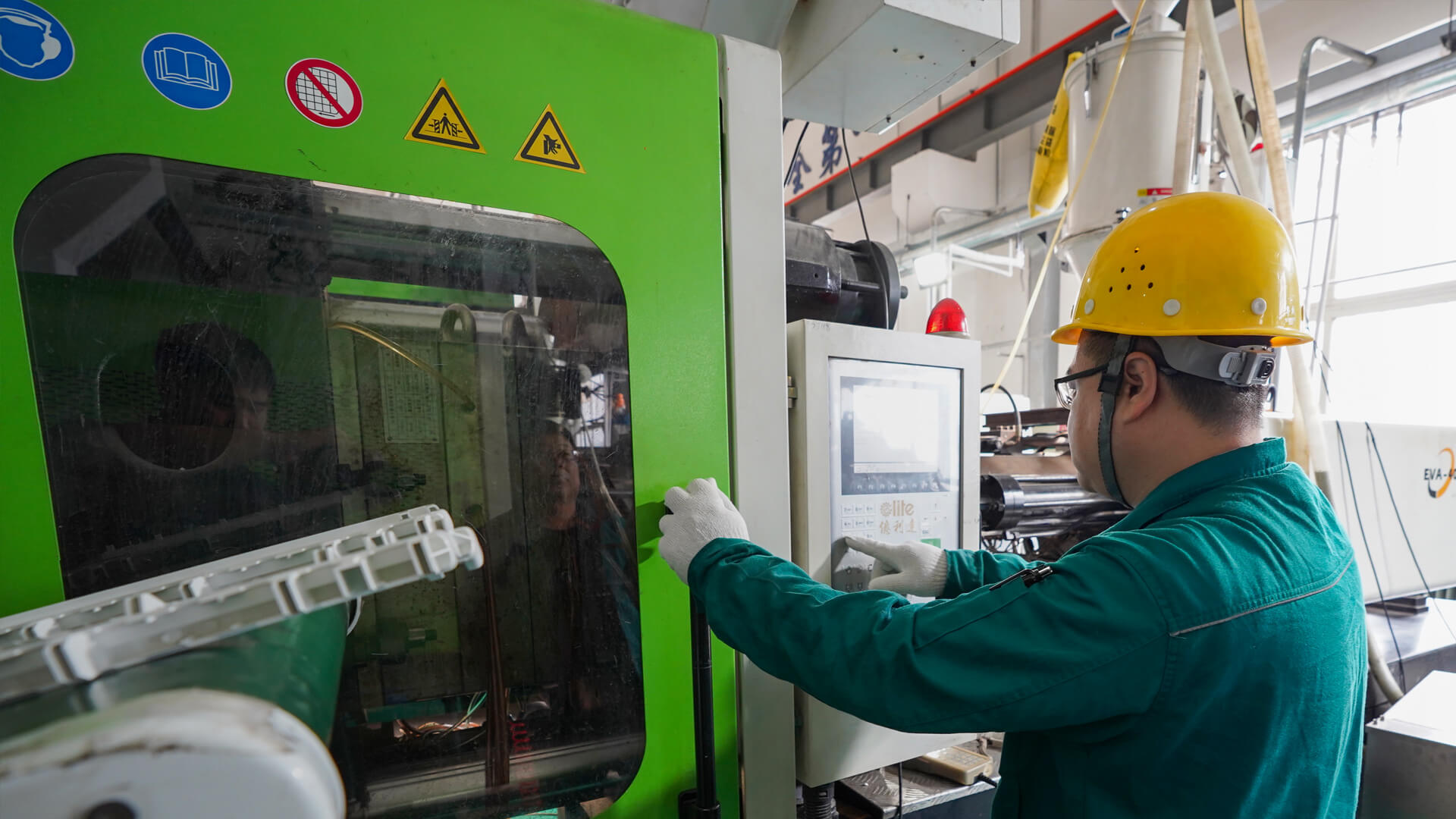
Tooling & Process: Build Consistency into the System
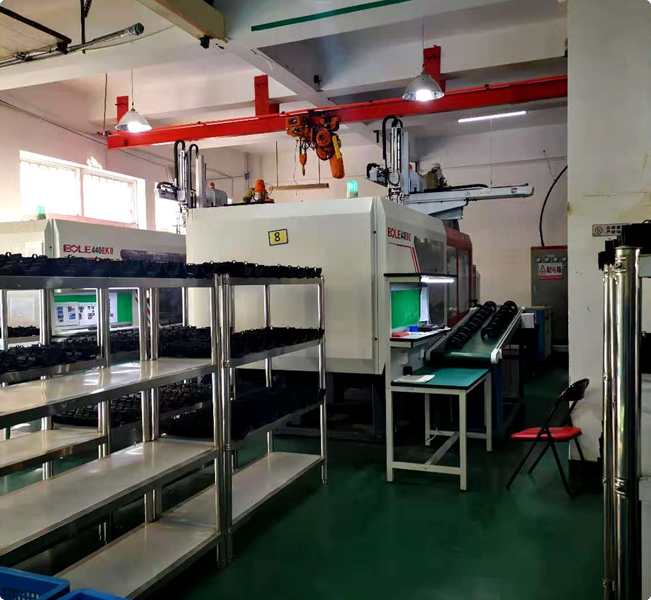
Stable mass production depends not only on machine tonnage, but also on mold design and a controllable process window.
Key controls in tooling and molding include:
Gate & runner design to ensure balanced filling and reduce weld-line risk
Venting and cooling to prevent burning, sink, and warpage
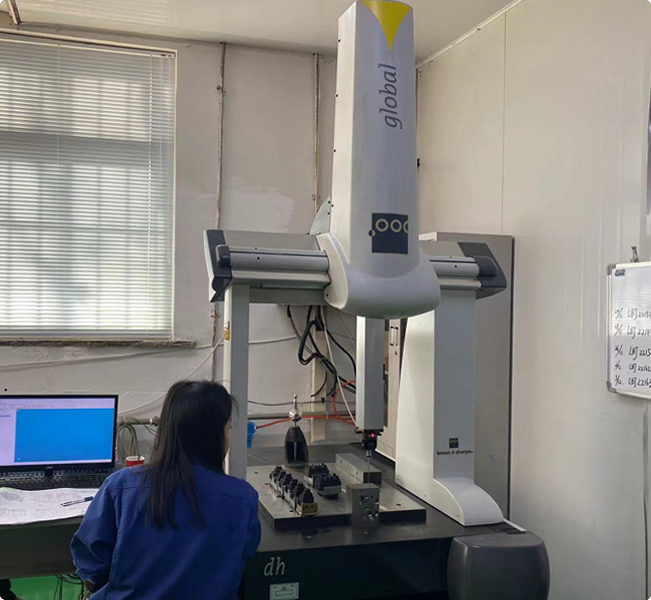
Critical dimension control using fixtures/gauges for assembly consistency
Appearance defect prevention: flow marks, splay, sink, flash, etc.
With proper equipment capability and automation support, we can maintain repeatable quality and predictable delivery.
Automotive-Grade Quality: What Do IATF 16949 and PPAP Really Mean?
For Tier 1 and Tier 2 customers, “quality system” is not a slogan—it is verified, traceable, and repeatable manufacturing capability.
IATF 16949 emphasizes:
Process control (not just final inspection)
Defect prevention (not “fix after failure”)
Traceability and continuous improvement
PPAP (Production Part Approval Process) is used to prove that:
The product can be consistently mass-produced
Materials, dimensions, process capability, and inspection standards are qualified
Customers can launch production with less uncertainty
If you have automotive programs, we can support PPAP documentation and validation through each stage: prototype → pilot run → mass production.
What We Provide: One-Stop Support from Drawing to Delivery
Our product coverage includes:
Automotive parts (Tier 1 / Tier 2 supply)
Photovoltaic accessories (mounting/structural injection parts)
Electronics housings & structural components (control boxes, instrument housings, etc.)
Medical & beauty device components
Custom plastic products with fixtures/tools
Cooperation models:
Tooling only / molding production with customer tooling
Tooling + injection molding (one-stop)
Full lifecycle support: design optimization → tooling → molding → delivery
Conclusion: Consistent Mass Production Comes from Systems and Details
Long-term success in injection molding isn’t about making one perfect sample—it’s about producing stable batches, with reliable delivery every time.
If you are looking for:
An automotive-grade injection molding supplier
PPAP-ready support for mass production launch
Long-term supply for PV parts, electronics housings, or custom molded components
Send us your drawings and requirements. We will respond with a professional evaluation and quotation.